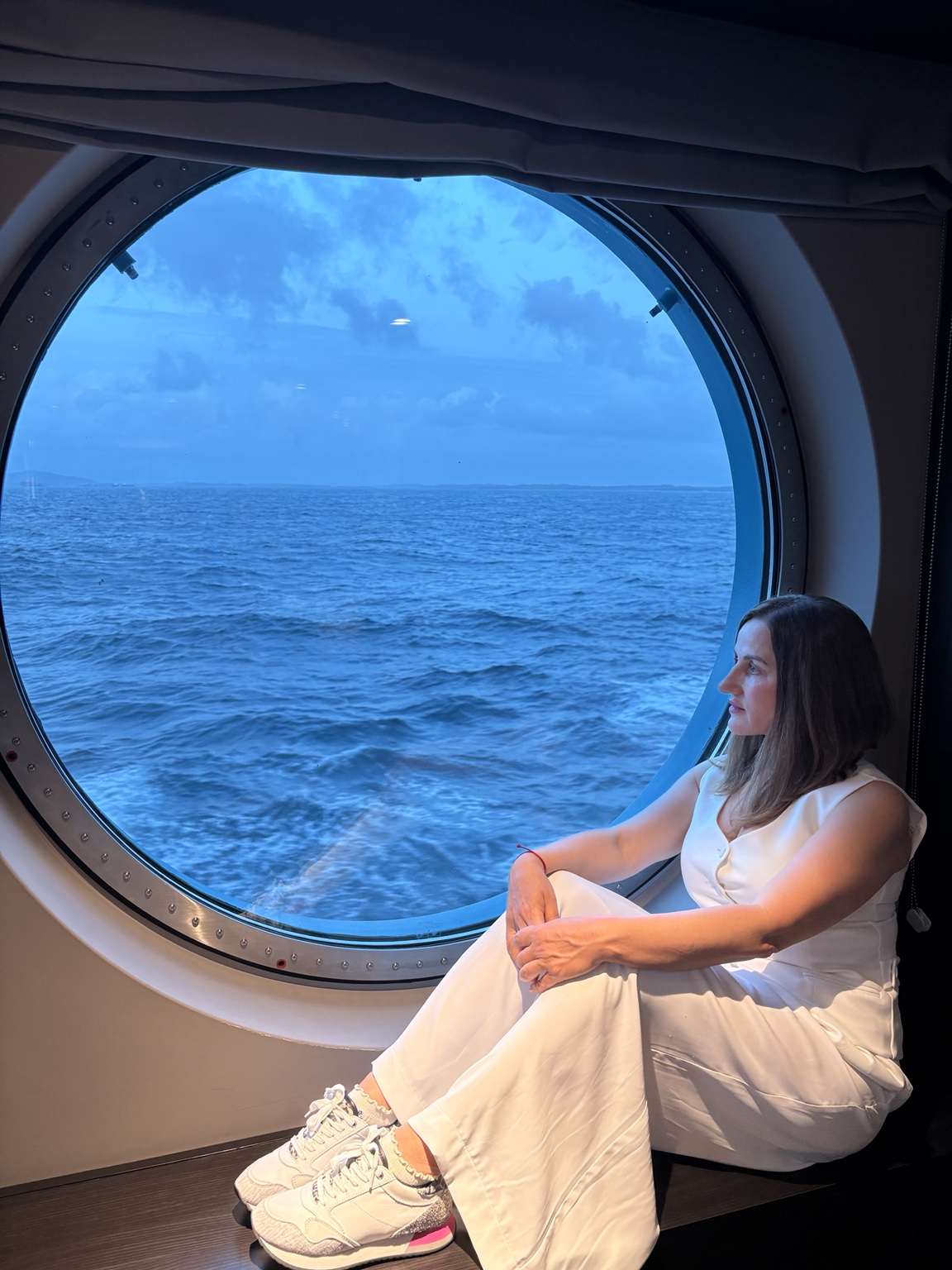
My personal planning method: from checking flights to creating a guide for every port.
I choose itinerary and ship together
I always combine an interesting route with a ship I will enjoy. Both the ports and life onboard matter to me. I compare port calls, sea days and the atmosphere onboard, as well as the restaurants and facilities of the specific vessel. A good cruise for me must work as a complete experience.
Flights before booking
Before paying, I check direct flights or convenient connections to the departure port and back from the final port, comparing times, baggage and prices. I estimate how much time I will actually spend ashore after leaving the ship and reaching the centre. This research sometimes changes which itinerary I choose.
Hotels before and after
I find a hotel for the night before sailing. If there is no convenient flight after disembarkation, I also plan a hotel for the end of the cruise. I check direct flights first, then convenient connections and prices including luggage. I also verify the return from the final port, which may be in a different city.
I research every port
Before booking, I check whether the centre is walkable from the terminal. Otherwise I research shuttle buses, taxis, local transport or boats and the time needed. I look for a hotel at least one night before embarkation. If the disembarkation-day flight is inconvenient, I plan another hotel night after the cruise rather than rushing.
I book within a few days
Once the cruise, flights and hotels fit together, I complete the bookings within a short period because prices and availability change. I do not book the first attractive cruise immediately. I map the complete journey, check dates and costs once more, then try to book the related services within a few days.
App, insurance and eSIM
I install the cruise line app, arrange medical travel insurance and check cancellation cover immediately at booking. Outside suitable roaming coverage, I use an eSIM. I check travel medical insurance for onboard treatment and possible evacuation. I also review cancellation cover immediately, because some policies have very short purchase deadlines.
My own guide for every port
I research sights, select what fits into a cruise day and put them in a logical order. I plan by the hour and navigate between stops with Google Maps. I follow the exact check-in windows in my bookings. I save the boarding documents on my phone and print the cruise and flight passes when appropriate. I print luggage tags too, rather than joining a separate queue at the terminal.
Local cuisine is essential
I am a culinary traveller too. I research regional dishes and places to try them because food is part of discovering a destination. I check the countries and my mobile plan before deciding whether to buy an eSIM. Having reliable mobile data ashore makes navigation easier; internet at sea follows separate rules.
Check-in and printed documents
I monitor check-in windows for the cruise and flights. I print boarding passes where appropriate and prepare the ship’s luggage labels in advance to avoid extra queues. For each port I list the places I would like to see, then select those that realistically fit the time available. I allow for transfers, queues, photographs, breaks and a safe return.
Why I prepare
So I can enjoy the journey rather than spend precious hours searching for transport and directions. Good planning leaves room for spontaneity. Once ashore, I simply open the next saved location in Google Maps. The plan is a tool, not a rigid timetable; I deliberately leave room for spontaneous discoveries.